
MFi R47 Specification Update Interpretation: USB-C Certification Simplification and BLE/Bluetooth Functionality Upgrade
Time: 2026-05-26 Reads: 657 Edit: Admin
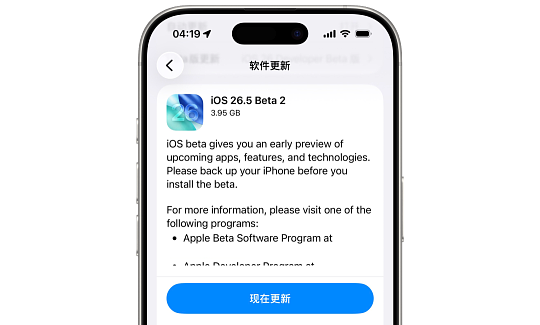
With the release of iOS 26.5 and the iPhone 17 series, the MFi R47 certification specification has undergone significant adjustments. Hongbiao Certification has summarized the major changes involving connector certification, audio standards, and the BLE accessory ecosystem as follows.
I. Update Content: Core Rule Adjustments
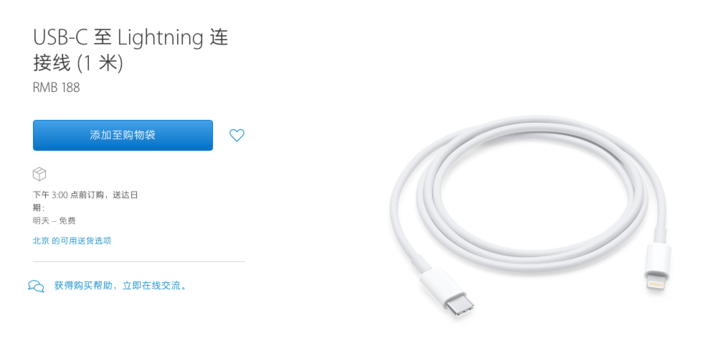
1.USB-C Connector Certification Changes Before: USB-C connectors or receptacles required "USB-IF TID certification."
After: Changed to "Connectors must comply with the USB Type-C Cable and Connector Specification, version 2.3."
This adjustment simplifies the certification process, eliminating the need for manufacturers to separately apply for USB-IF TID certification. However, they must ensure that the connectors fully meet the detailed mechanical, electrical, and performance requirements specified in the USB Type-C 2.3 specification.
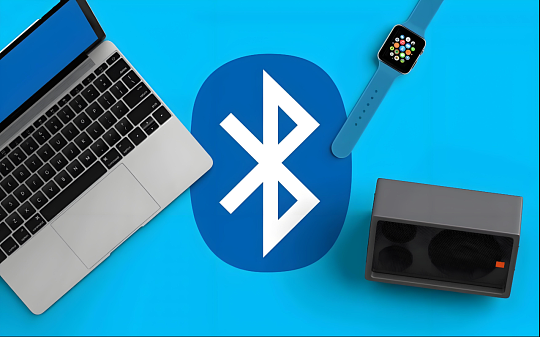
A new definition has been added: BLE Bluetooth now explicitly specifies the minimum capacity for a single data packet as 600 bytes.
This standard provides clear underlying protocol support for BLE accessories (such as game controllers, keyboards, and mice) in scenarios involving high-volume data transmission, such as firmware OTA updates and high-definition haptic feedback. It contributes to improved transmission efficiency and stability.
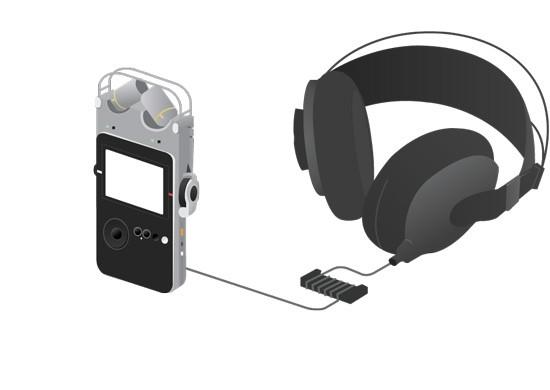
Before: It was recommended to support 48KHz standard lossless and 192KHz Hi-Res lossless.
After: Revised to recommend support for 192KHz Hi-Res lossless.
The specification further narrows the audio standard, elevating the high-fidelity requirements for USB-C audio accessories. Manufacturers should prioritize ensuring seamless compatibility with 192KHz sampling rates when designing DAC chips and firmware.
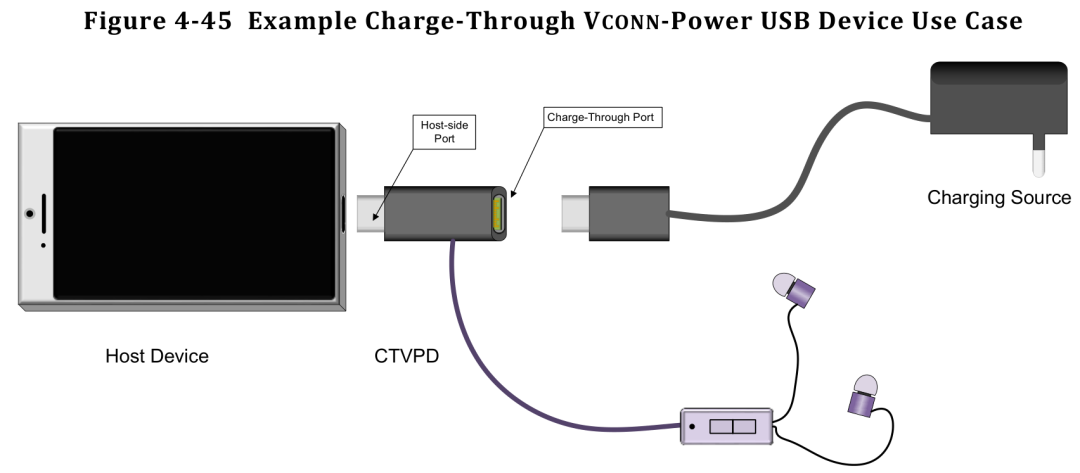
A new requirement has been added: For USB-C accessories, a test requirement stipulates that "when connected to the iPhone Air, the accessory must be able to draw power from the Vconn pin and operate normally."
This clarifies the scenario where the iPhone Air model provides power to peripherals via the USB-C interface. Accessory designs must account for the stability and compatibility testing of the power circuitry drawing from the Vconn pin.
System Requirements Update:
Before: Required to run on iOS 18.6 or later.
After: Now requires iOS 26.5 or later.
The minimum compatible Apple devices have been updated from "running iOS 18.6 or later" to "requiring iOS 26.5 or later." Additionally, compatibility now includes the iPhone 17 series models, iPads equipped with M4 and M5 chips, as well as Apple Watch 11 and Ultra 3.
II. Additions: New BLE Bluetooth Features and Implementation
1.New BLE Bluetooth App Match and App Launch FeaturesFunction Definitions:
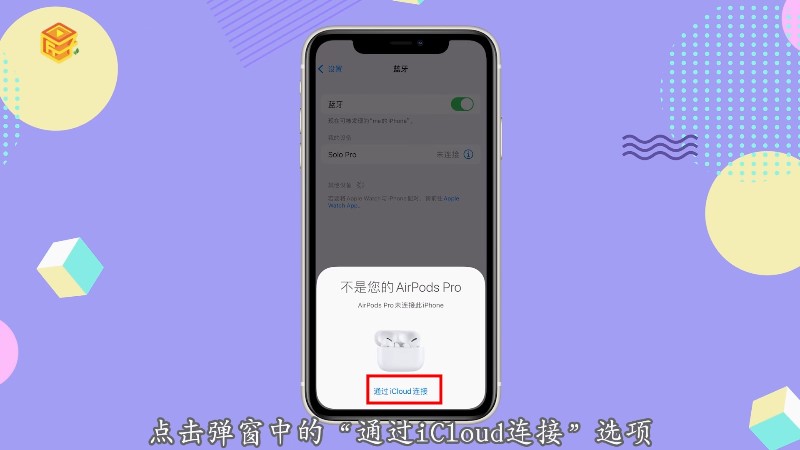
App Match (BLE Version): When a user connects a BLE accessory for the first time, the system displays a pop-up prompt suggesting the download of the companion app.
App Launch (BLE Version): When a user connects a BLE accessory and the companion app is already installed, the system automatically launches the app.
Primary Use Cases: This functionality is primarily intended for BLE entertainment accessories, such as game controllers, aiming to deliver a seamless "connect-and-play" experience similar to that of AirPods.
To achieve the BLE App Match and App Launch features described above, accessories must meet the following technical requirements:
System Environment: The features are supported on iPhones and iPads running iOS 26.0 or later.
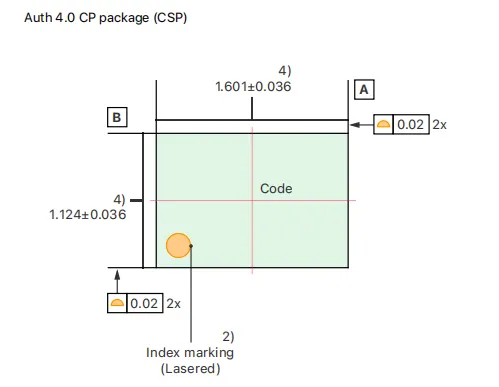
Hardware Requirements: Accessories must integrate Apple 4.0 chips and utilize BLE Bluetooth connections.
Protocol Requirements:
-
The accessory’s Bluetooth advertisements must include the Authenticated Accessory Capability service.
-
The accessory must be capable of accepting L2CAP CoC connection requests on the advertising PSM.
3. Comparison of App Launch Capabilities: BLE vs. iAP2
The table below compares the differences in implementing the App Launch feature between BLE Bluetooth and iAP2 (Classic Bluetooth):
|
Feature / Requirement
|
iAP2 App Launch
|
BLE App Launch
|
|---|---|---|
|
Launch App with Specified Bundle ID
|
✅ Yes
|
❌ No
|
|
Launch "Game" Category Apps
|
✅ Yes
|
✅ Yes (System Decides)
|
|
Launch Apple Arcade
|
✅ Yes
|
✅ Yes
|
|
Pass Parameters / Deep Link
|
✅ Yes
|
❌ No
|
|
Accessory Active Control
|
✅ Yes
|
❌ No, only trigger signal
|
|
Requires MFi Chip
|
✅ Yes
|
✅ Yes
|
Summary
The MFi R47 specification enhances fundamental compatibility by introducing the USB-C 2.3 standard and raising the minimum system requirement to iOS 26.5. On the other hand, it brings more convenient interaction experiences for accessories like game controllers through new BLE features. Manufacturers are advised to promptly adjust their hardware designs and software development according to the new requirements to ensure smooth certification and compatibility with the new generation of Apple devices.
If you are preparing for MFi certification or need to adapt to the latest standards, feel free to contact Hongbiao Certification. We offer comprehensive services including the latest standard interpretation and one-stop certification support.
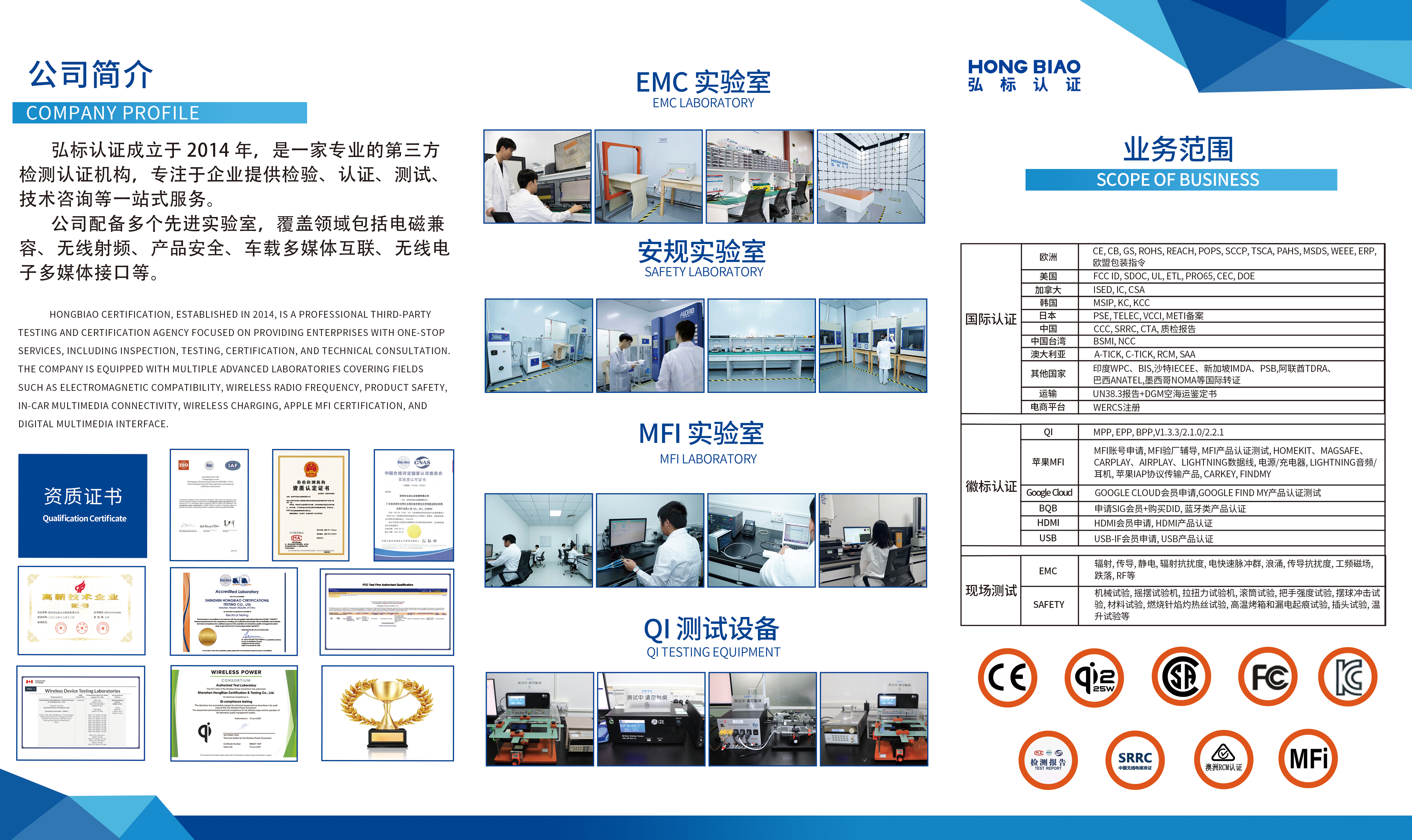
Interested in Qi / MFi certification processes and costs?
▼▼▼ Contact us today! ▼▼▼
电话:0755-29989321
微信:18098971410
邮箱:sales@sz-hongbiao.com
网站:www.sz-hongbiao.com
地址:深圳市光明区玉塘街道田寮社区同观路远望谷射频识别产业园2栋102、201
102, 201, Building 2, Invengo RFlD industrial Park, Tongguan Road, Tianliao Community, Yutang Street,Guangming District, Shenzhen, China
